
.jpg)
If you’ve already tried the neck extensions and reverse flys from our last post but still feel stuck with neck pain or poor posture, there’s a simple next-level tool we recommend for most of our patients in South Tampa.
It’s a simple habit that gently helps restore your natural neck curve while you relax at home.In this short guide (Part 2 of our tech neck series), we’ll explain why stretching alone often isn’t enough, how the passive cervical extension works, safe at-home use, and why combining it with the strengthening exercises from the last blog on cervical extension gives the best long-term results.
Table of Contents
- The Hidden Culprit Behind Neck Pain and the “Hump”
- Why Stretching Alone Usually Isn’t the Answer
- What Is cervical extension and How Does It Work?
- Step-by-Step: How to Do This at Home (with Video)
- Benefits & What to Expect
- At-Home Tips & Common Mistakes
- When to See a Chiropractor
- FAQ
- Conclusion & Next Steps
The Hidden Culprit — It’s Not Just Bones and Joints, It’s the Muscles Too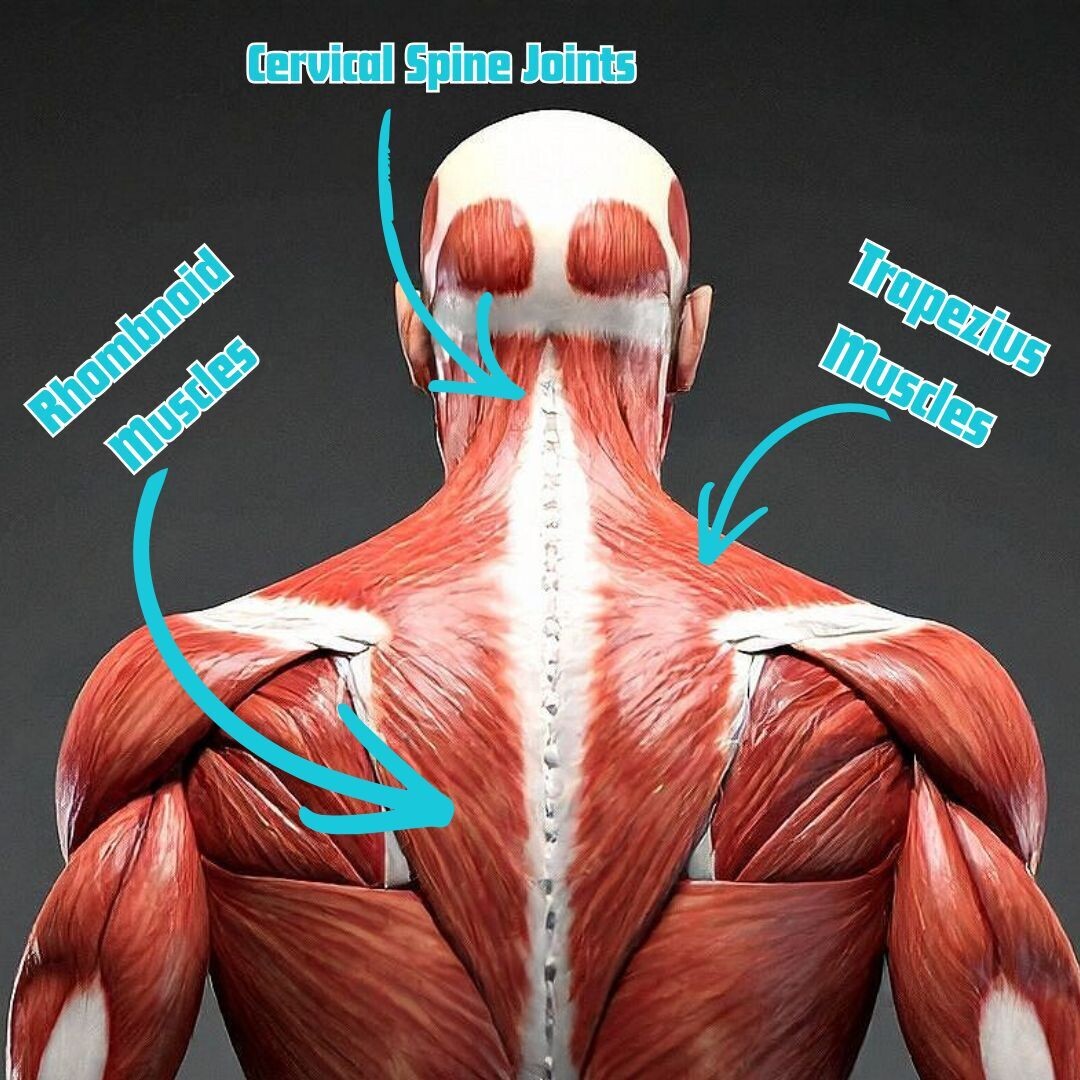
The trapezius and deep neck muscles run from your mid-back up to the base of your skull. When you spend hours slouching forward (classic tech neck), these muscles get pulled out of balance.
The front muscles tighten while the back ones weaken and lengthen. Over time this creates the visible “neck hump,” chronic upper back/shoulder strain, headaches, and that tired feeling at the end of a long workday.
Why Stretching Is Not the Full Answer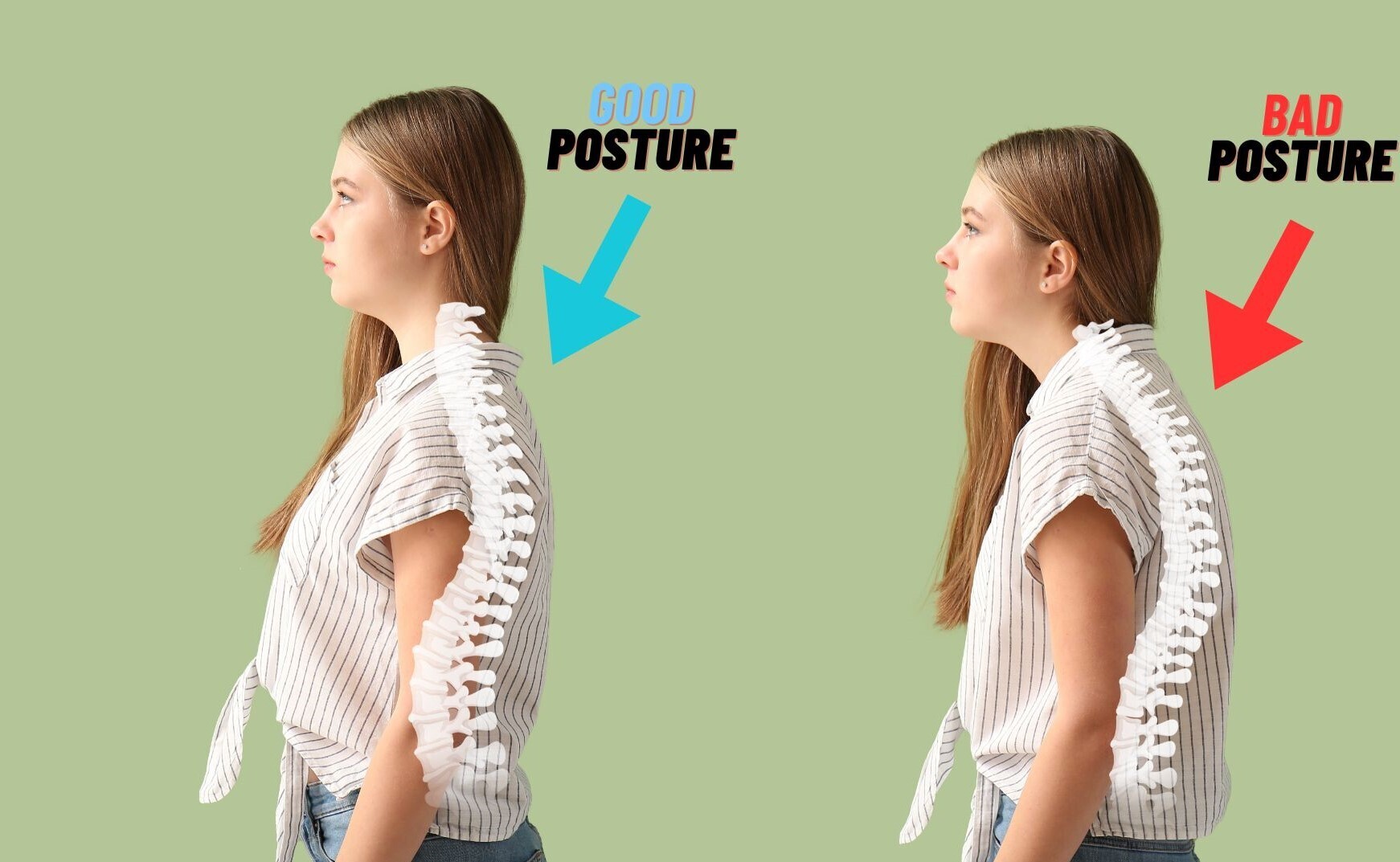
Forward head posture pulls the neck muscles out of their normal position. Simply stretching the tight areas can feel good temporarily, but it often fails to fix the underlying loss of your natural cervical curve — and in some cases can even make the instability worse.
Instead, the most effective approach is to restore proper alignment so the joints sit in their natural orientation. This relaxes overworked muscles, improves blood flow, and reduces strain on the back of the neck.
What Is the Passive Extension and How Does It Work?

Passive extension of the neck uses a firm, contoured foam orthotic that provides gentle, passive traction(this can also be done with a basic bath towel). You simply lie on it for a short time each day. Setting your neck in the proper position encourages your neck to extend and retract, gradually restoring the healthy C-shaped curve (cervical lordosis).
Step-by-Step: How to Use This Technique Safely at Home
Important: If using an orthotic, it should be fitted and supervised by a trained chiropractor first — placement and size matter for safety and results.
Basic protocol most patients start with:
1. Sitting down (don’t do this standing up, standing can cause a quick loss of balance)
2. Drape a bath towel over your shoulders and allow your neck to gently fall back until resting on the towel.
3. Hold for 3-7 minutes.
Benefits & What to Expect at Our South Tampa Office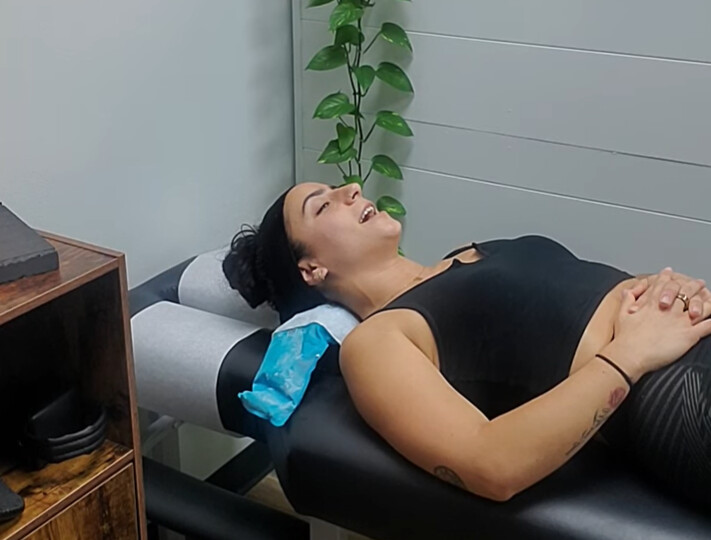
Patients often report:
- Reduced neck and upper back pain
- Less “hump” appearance and better posture
- Fewer headaches and improved energy
- Better results from their strengthening exercises
At Green Space Health we combine this with a posture evaluation (sometimes X-rays), gentle adjustments, and the active exercises from our previous blog.
At-Home Tips & Common Mistakes
Tips:
- Pair it with the neck extensions and reverse flys from last week.
- Stay consistent — short daily sessions work better than long infrequent ones.
- Avoid the triggers (long hours at a desk or staring at a phone)
Common Mistakes:
- Using the wrong size or placement (this is why we evaluate first).
- Forcing longer times too soon.
- Flexing your neck quickly rather can gradual movements when starting and finishing the exercise.
When to See a Chiropractor (Red Flags)
Come in right away if you have:
- Sharp pain or increased symptoms during use
- Numbness, tingling, or radiating arm pain
- Dizziness or headaches that worsen
- History of recent trauma or surgery
FAQ
- Is this safe to do at home? Yes — when properly evaluated and you follow instructions.
- How long until I see results? Many notice less pain immediately after using it.
- Do I still need exercises if I use this therapy? Yes — combining both gives the best and longest-lasting results.
- Can it fix the neck hump? It helps reduce the appearance by restoring the natural curve and improving posture.
- Should I get evaluated first? Absolutely — especially if you have significant forward head posture or pain.
Conclusion
This therapy is the simple therapy we use with most patients who have persistent neck pain and forward head posture because it addresses the root alignment issue while you relax at home. Combined with the strengthening exercises from our previous post, it’s one of the most effective ways to look and feel better long-term in our busy South Tampa lifestyle.
Book a no-obligation posture evaluation at our South Tampa office. We’ll assess your curve, show you the correct size and placement, and create a personalized plan.

Dr. Mike Sebastian
Contact Me.jpg)

.jpg)
